Mouldings and decorative elements: decor ideas for every style
Discover with Dartank the elegance of mouldings and decorative elements, enhancing interiors across a wide range of architectural styles.
Dartank
DARTANK Expert
Interior design inspiration with mouldings and decorative elements in every style!
In the fascinating world of interior design, architectural refinement stands out as an essential creative force. Far beyond the simple arrangement of furniture and colours, it is a form of artistic expression that gives every space a unique and captivating identity. By exploring the subtleties of mouldings and decorative elements, we will delve into the very heart of interior aesthetics.
The importance of architectural refinement reaches well beyond its visual impact. It acts as a silent language that conveys elegance, tradition or indeed innovation. It plays a crucial role in setting the mood and creating an immersive experience. Mouldings and decorative elements thus become craftsmen in their own right, sculpting the atmosphere and imbuing the space with a particular sophistication.
Characteristics of the classical style in interior design
The classical style in interior design evokes an era when timeless elegance and refinement took pride of place. The distinctive features of this style are expressed through balanced lines, harmonious proportions and meticulous attention to detail. The aim is to create an atmosphere steeped in tradition, grace and sophistication.
Decorative elements in the classical style are often characterised by forms inspired by antiquity, with carved details, curved profiles and sculpted materials. The preferred colours are generally neutral tones, adding a touch of luxury.
Classical mouldings such as cornices and skirting boards
At the heart of the classical style are classical mouldings, architectural elements that lend extra depth and elegance to an interior. Cornices, with their delicate curves and finely chiselled details, majestically frame the top of the walls and bring a vertical dimension to the room. Skirting boards, for their part, add a sophisticated finish to the junction between floor and walls, creating a harmonious transition.
Classical mouldings are often chosen for their ability to accentuate the architecture of the room. They can be painted in soft shades to create a bright atmosphere, or in rich colours to add a bolder touch. Using these elements judiciously brings out the architectural details of the room and creates the perfect backdrop for classical furniture and accessories.
Real-life examples of classical interiors showcasing these elements
Picture a classical dining room, where an imposing solid wood table is surrounded by chairs upholstered in rich fabrics. The walls are dressed with detailed cornices, creating a graceful transition to a ceiling adorned with matching mouldings. Coving profiles for indirect lighting add a warm glow, underlining the delicate details of the mouldings.
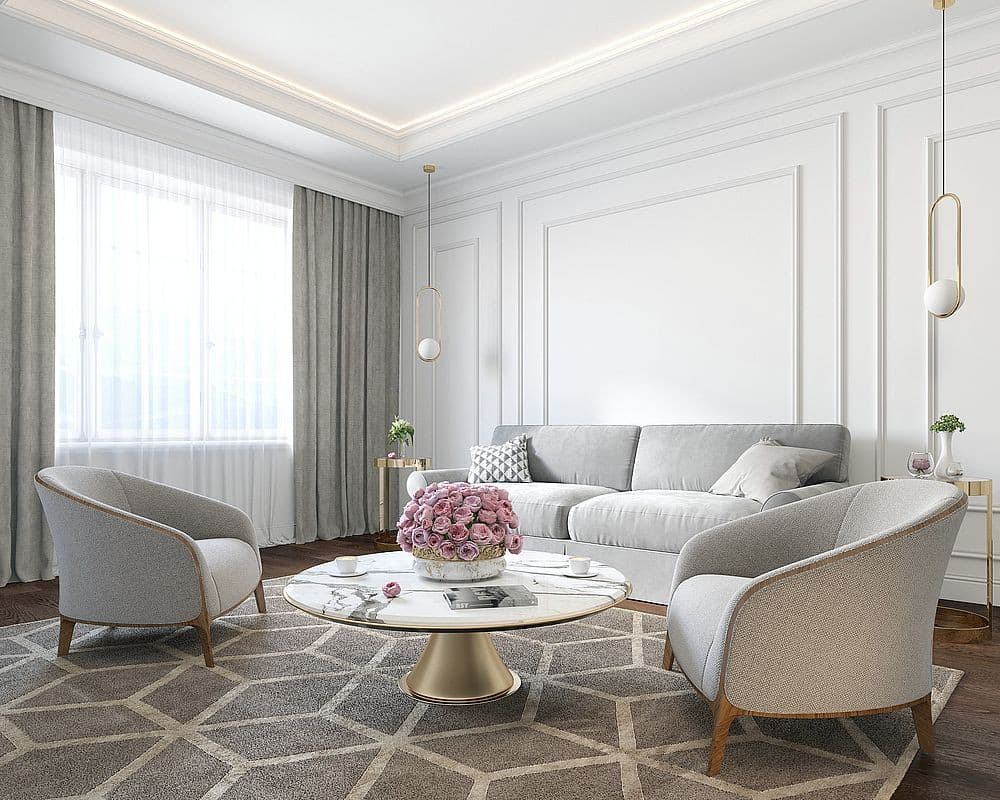
In a classical living room, skirting boards frame delicately painted wall panels. A sofa with classical lines takes pride of place at the centre of the room, accompanied by richly carved coffee tables. The mouldings, painted in cream tones, bring a touch of brightness and underline the traditional architecture of the room.
Distinctive features of the baroque style in interior architecture
The baroque style, which emerged in seventeenth-century Italy, embodies splendour and opulence. Its distinctive features translate into interior architecture through exuberant elements, dramatic shapes and a profusion of ornamental detail. The aim of the baroque style is to astonish, to create a rich and theatrical sensory experience.
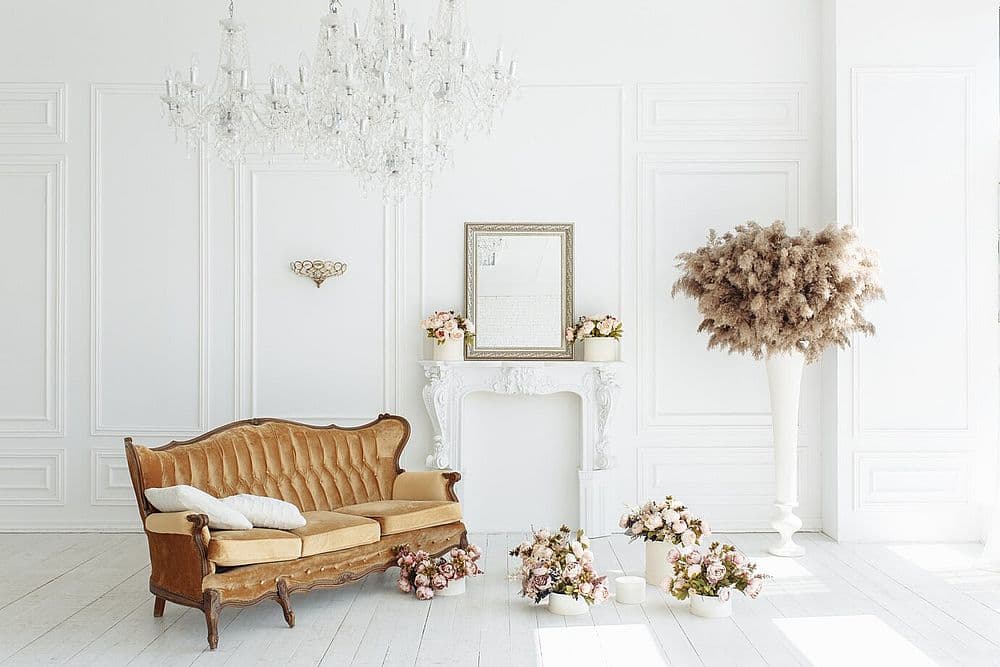
Baroque spaces are characterised by extravagant curves, intricate patterns and rich colours. Baroque furniture often features curved lines, elaborate carving and sumptuous materials such as carved and gilded wood. The choice of luxurious fabrics, such as silk and velvet, reinforces the sumptuous character of baroque aesthetics.
Incorporating baroque mouldings and opulent decorative elements
Baroque mouldings lie at the heart of how the style is expressed in interior architecture. Cornices are adorned with scrolls, foliage and intricate carved details that captivate the eye. Skirting boards become artistic supports, displaying decadent motifs that run right down to the floor. These mouldings are anything but discreet: they aspire to be the focal point, adding a sculptural dimension to the space.
Besides mouldings, opulent decorative elements play a central role in the baroque style. Imposing decorative columns and decorative wall panels are must-haves. Sculptures and reliefs abound and create a lavish atmosphere. Sumptuous Persian rugs and draped hangings add the finishing touch, bringing the ornamental elements into harmony.
Project ideas embracing the baroque style
Picture a baroque dining room, where a massive table sits beneath a sparkling crystal chandelier. The walls are dressed with decorative panels full of ornate detail, reflecting candlelight on gleaming surfaces. Baroque mouldings frame the doors and windows, creating a visual symphony.
In a baroque living room, a richly upholstered sofa takes pride of place at the centre of the room, surrounded by elaborate coffee tables. A large gilt-framed mirror adorns the wall, reflecting the opulent details of the room. Wall lights with intricate patterns add a soft, subdued glow, highlighting the carved mouldings.
These concrete illustrations show how the baroque style can be successfully worked into interior architecture projects. The harmony between baroque mouldings and opulent decorative elements creates spaces that evoke extravagance and theatricality while remaining faithful to the artistic heritage of the baroque style.
Principles of minimalism in interior design
Minimalism, in contrast to more opulent aesthetics, stands out for its elegant simplicity and its focus on the essential. Minimalist spaces embrace the notion that "less is more", favouring clean lines, neutral colours and simple forms. In minimalist interior design, the emphasis is on functionality, leaving superfluous ornamentation aside.
Using mouldings and decorative elements sparingly
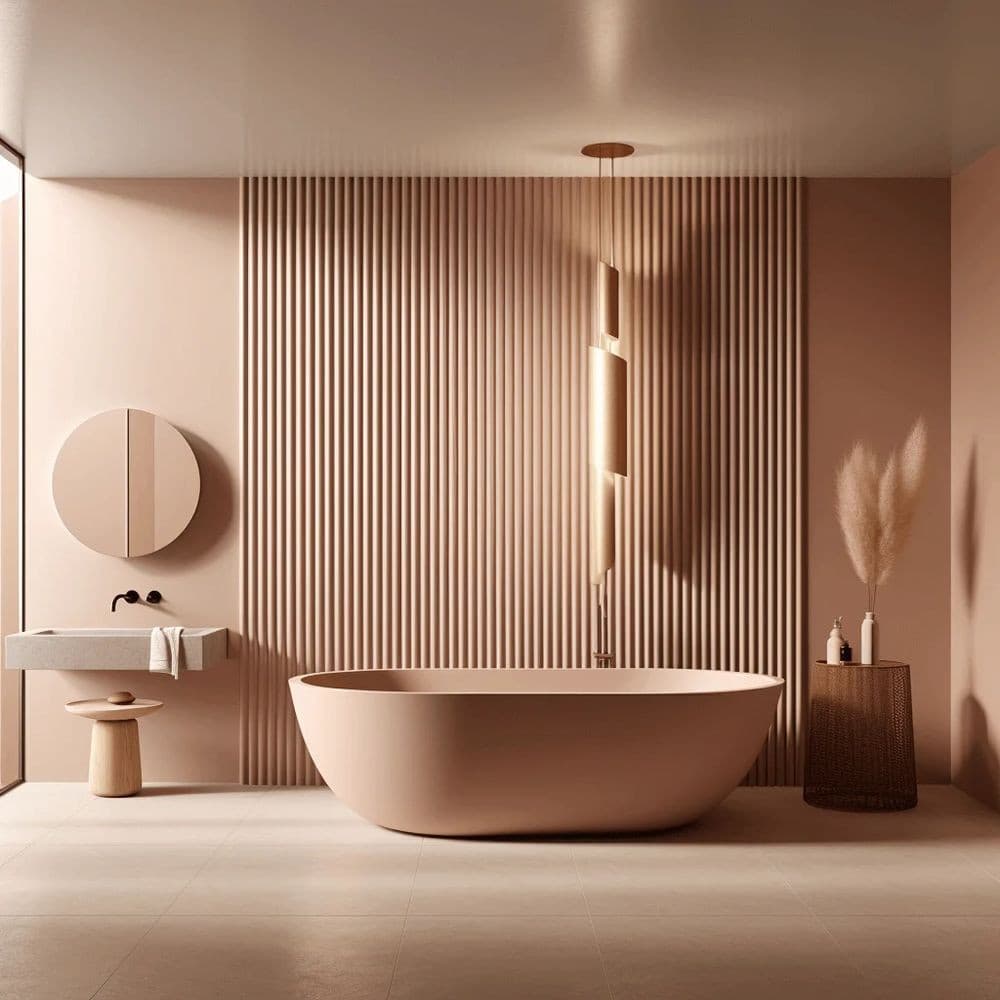
Incorporating mouldings and decorative elements into the minimalist style calls for a subtle approach. Cornices become clean lines that mark out the spaces, while skirting boards take on simple forms to create a seamless transition between walls and floor. Minimalism is also reflected in the choice of materials, favouring smooth surfaces and matt finishes.
Colours are often monochrome or limited to a restricted palette, favouring neutral, calming tones. The mouldings, generally discreet, serve to accentuate without stealing the limelight from the dominant simplicity of the space. Decorative elements, where present, are chosen with care for their functionality and their ability to add a subtle touch.
Project ideas inspired by the minimalist style
Picture a minimalist study, where a pared-back desk occupies the centre of the room, lit by a geometric pendant light. The walls, free of needless embellishment, carry discreet mouldings that create a serene atmosphere. Open shelves, free of visual clutter, hold the essentials with elegance.
In a minimalist living room, a sofa with clean lines sits on a neutral rug. Geometric mouldings frame large windows, bringing a subtle dimension to the space. Integrated lighting and metallic accents underline the sophisticated simplicity of the minimalist style.
These minimalism-inspired ideas are anything but austere: they can create calming and functional spaces where every element contributes to a balanced and harmonious aesthetic.
Exploring the geometric style in interior design
Exploring the geometric style in interior design opens the door to a modern and captivating aesthetic. Built on crisp shapes and precise patterns, this style pushes back the boundaries of creativity by merging art with functionality. Geometric spaces invite a dynamic visual experience, in which every line and every angle contributes to a balanced symmetry.
Mouldings with geometric shapes and angular patterns
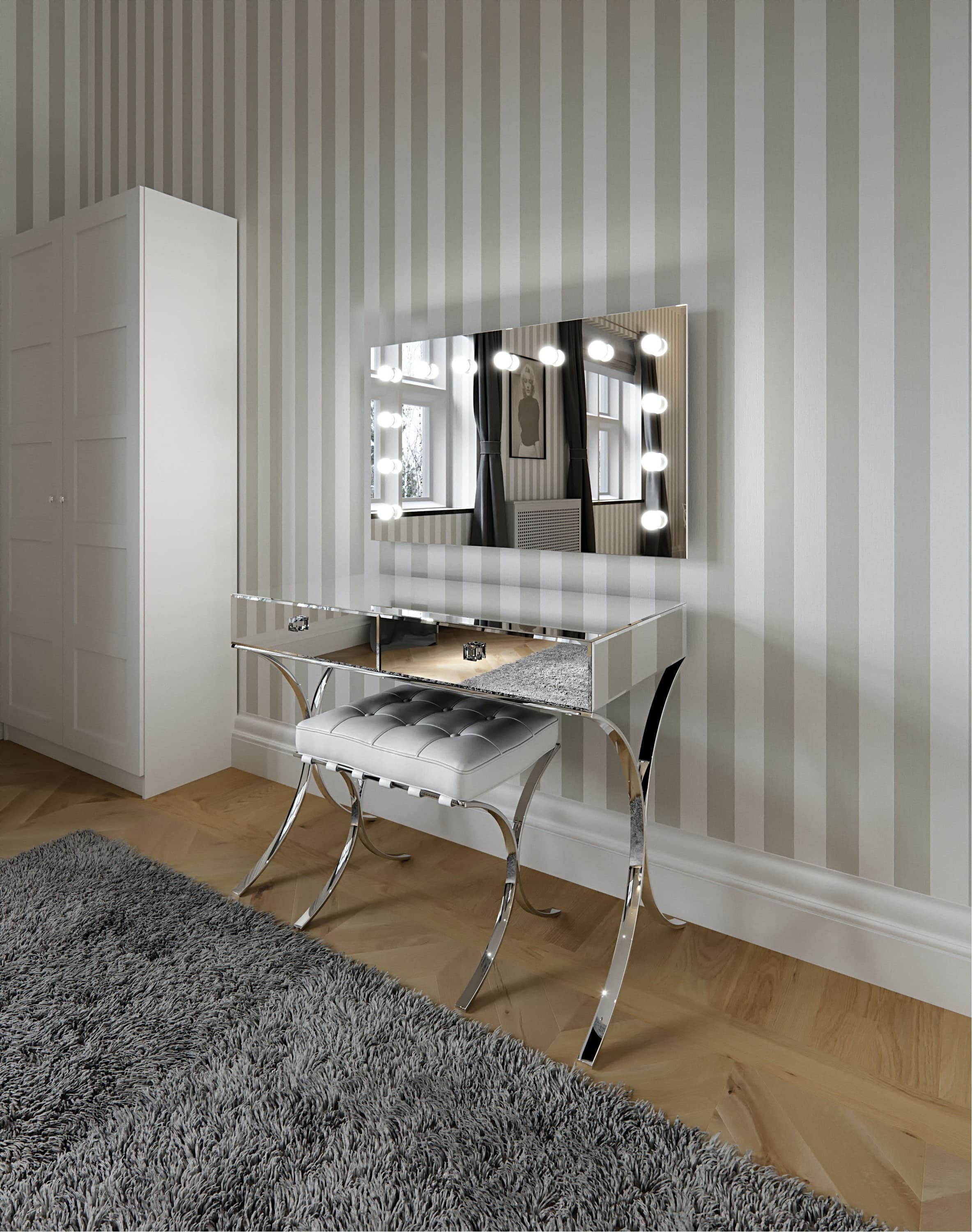
In the geometric style, mouldings turn into artistic features, taking on angular shapes and geometric patterns. Cornices draw on crisp lines, creating plays of light and shadow that bring wall surfaces to life. Skirting boards adopt contemporary profiles, contributing to a seamless transition between walls and floor. Ceiling roses, the central geometric elements overhead, add a circular dimension to the linear forms, creating an intriguing visual harmony.
The colour palette in the geometric style can vary, but it often puts strong contrasts to the fore. Mouldings in bold shades can create striking accents, emphasising the geometry intrinsic to the space. Angular patterns pair perfectly with contemporary textures, creating an aesthetic that is both cutting-edge and sophisticated.
Inspiring examples of interior designs based on geometric concepts
Picture a geometric living room, where a rug with hexagonal patterns marks out the living area. Cubic wall shelves blend harmoniously with geometric mouldings that frame the windows. A sofa with clean lines completes the look, creating an ensemble in which every element contributes to a visually stimulating geometry. A central ceiling rose adds a touch of circularity, balancing the whole with fluid elegance.
In a geometric kitchen, hexagonal tiles dress the splashback, accompanied by rectangular mouldings framing the cabinets. The pendant lighting takes on geometric shapes, creating a modern, luminous ambience. Ceiling roses placed strategically overhead bring a subtle softness to this crisply lined space.
These examples illustrate how brilliantly the geometric style can be applied in interior design, creating visually stimulating and innovative spaces. Every geometric element, ceiling roses included, becomes a centrepiece, contributing to a contemporary and dynamic aesthetic.
Ultimately, this exploration of the different interior design styles, from classical to baroque, from minimalist to geometric, reveals the wealth of possibilities offered by the ingenious use of mouldings and decorative elements. Each of these styles, with its own aesthetic nuances, tells a unique story through interior architecture. The encouragement rings out clearly: let everyone experiment and personalise their space with creativity. Mouldings then become instruments of expression, turning every corner into a canvas. We warmly invite you to share your experiences, because it is in the diversity of these stories that the art of interior design flourishes, where every detail becomes a centrepiece contributing to an endless visual symphony.
Besoin de conseils personnalisés ?
Nos experts sont à votre disposition pour vous accompagner dans vos projets de décoration.
Contactez-nous