Guide to Exterior Mouldings – Enhance Your Facade
Guide to exterior mouldings – enhance your facade! Discover all the secrets of exterior mouldings. Fitting, materials, styles. Free quote.
Dartank
DARTANK Expert
Exterior mouldings: far more than mere ornament
Exterior mouldings are architectural features that bring character and depth to your facade. They not only make your home look better, they also protect the joints and corners of your walls from the weather.
The different types of exterior moulding and what they are used for
Basic mouldings
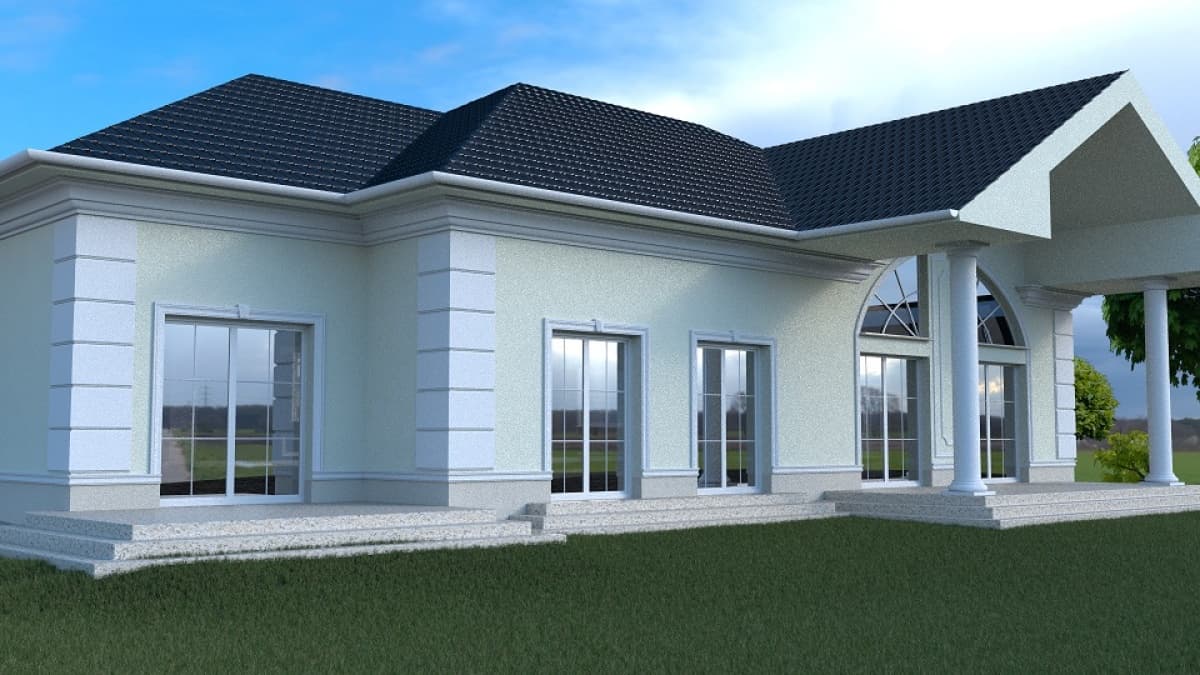
- Cornices: They crown the facade and shelter the top of the walls from the weather. Their profile can be plain or very finely worked.
- Lintels: They sit above openings (doors, windows) and carry the masonry above them.
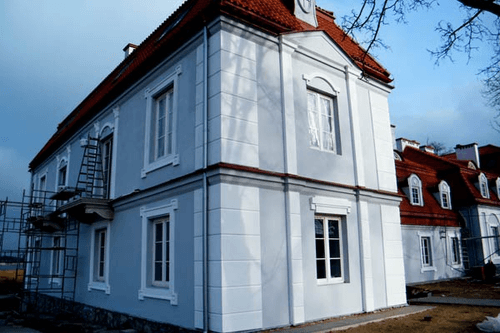
- Band courses: They mark the horizontal divisions of a facade and can be used to pick out a storey or a particular part of the building.
- Quoins: They reinforce the corners of the house and can be decorative too.
Decorative mouldings
- Corbels: They support heavier elements (balconies, cornices) and can be richly carved.
- Surround mouldings: They pick out the outline of windows and doors.
- Friezes: They are used to decorate the upper part of walls and can carry geometric or floral motifs.
- Profiled mouldings: They come in a wide range of profiles (concave, convex, moulded) and can be used to create effects of light and shade.
The materials used
- Natural stone: Granite, limestone, marble... A timeless look and outstanding durability.
- Plaster: Allows great creative freedom and suits every architectural style.
- Wood: Brings a warm, authentic touch.
- PVC: Light, hard-wearing and easy to look after, ideal for tighter budgets.
- Polyurethane: Mimics stone or wood perfectly, while being lighter and easier to fit.
Architectural styles and mouldings
The mouldings you choose will depend on the architectural style of your home:
- Classical style: Go for stone, plaster or wood mouldings with simple, elegant profiles.
- Contemporary style: Favour PVC or polyurethane mouldings with clean lines.
- Rustic style: Solid wood mouldings with knots and imperfections will give your facade real character.
Ideas for personalising your facade
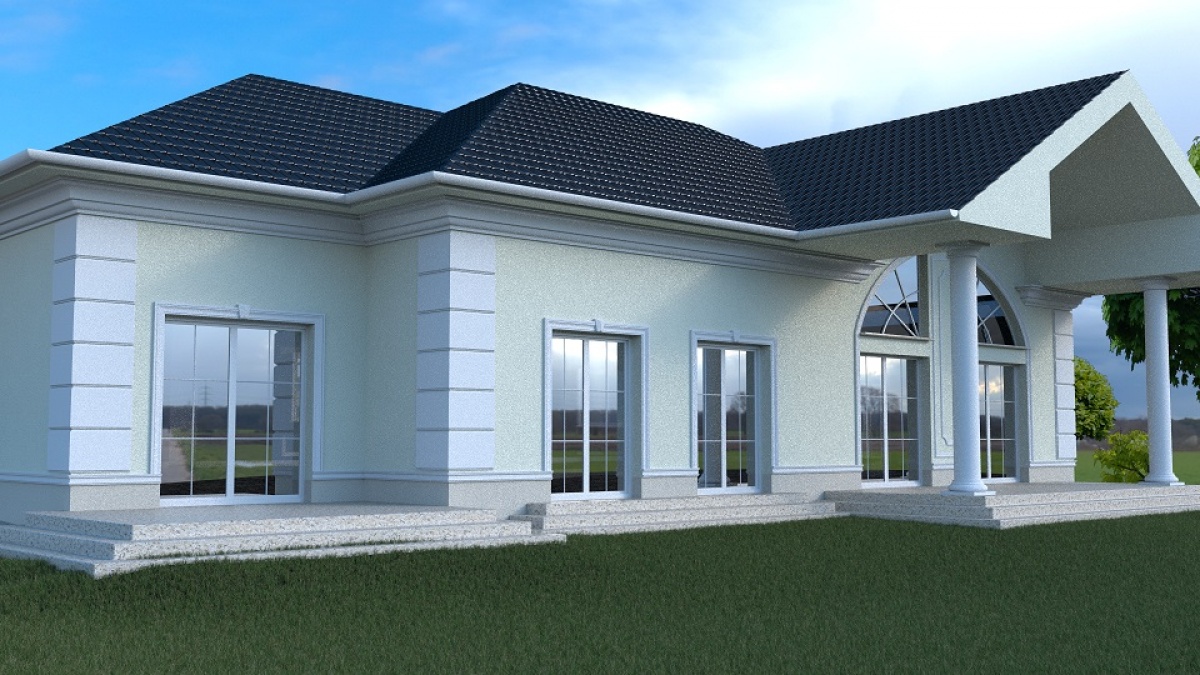
- Create a rhythm: Alternate mouldings of different sizes and profiles to bring your facade to life.
- Play on contrast: Combine different materials (stone and wood, for instance) for an interesting visual effect.
- Play with colour: Paint your mouldings in a different colour from your facade to make them stand out.
- Bring in motifs: Choose mouldings with geometric or floral motifs to personalise your home.
- Take your cue from local architecture: Look at the facades of older buildings in your area for ideas.
Fitting tips
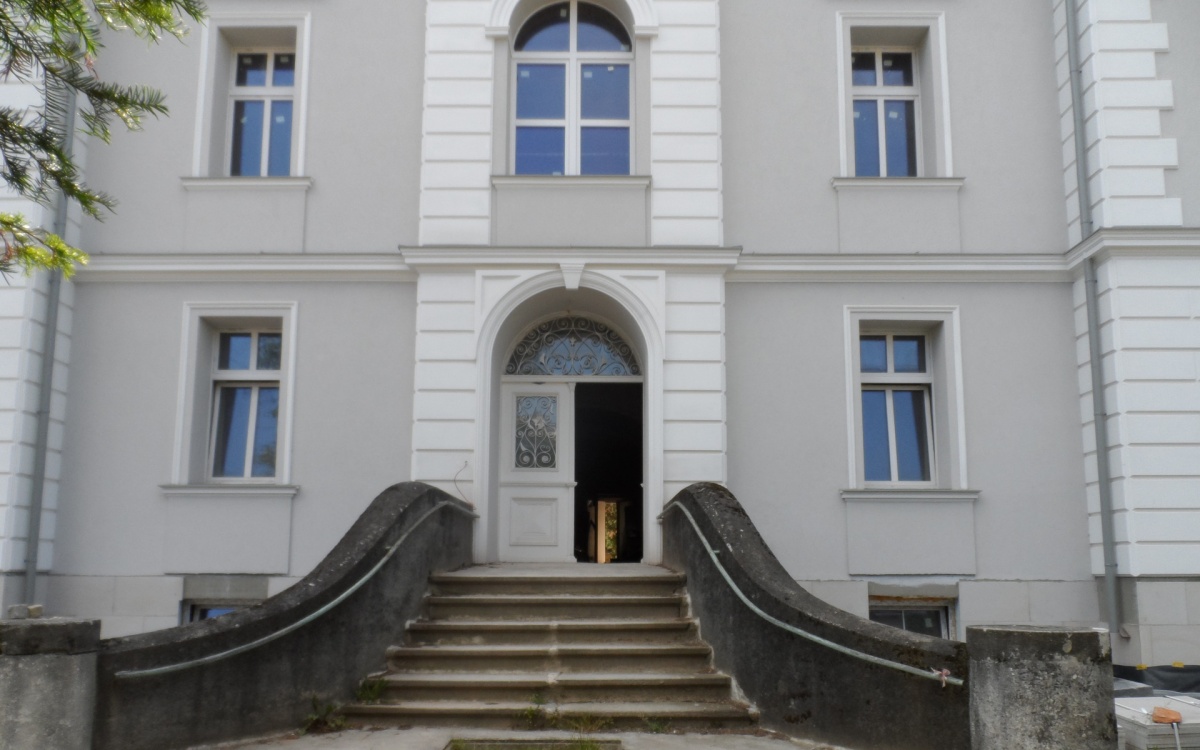
- Call in a professional: Fitting mouldings calls for specific skills, in particular in masonry and joinery.
- Prepare the substrate carefully: The wall must be clean, dry and free of any flaking paint.
- Choose the right adhesive or mortar: The fixing you need depends on the material of your mouldings and on the substrate.
- Make sure everything is watertight: Joints must be carefully sealed to prevent water getting in.
In conclusion, exterior mouldings are a key way to personalise your facade and give it character. By choosing the right materials and calling in a professional, you will get a result that lives up to your expectations.
Besoin de conseils personnalisés ?
Nos experts sont à votre disposition pour vous accompagner dans vos projets de décoration.
Contactez-nous